Ryen Beatty
Design Engineer
I'm Ryen, an Australian design engineer crafting interfaces and building software in Berlin.
My work spans product, interface and engineering. Recently I've been building writing and agent training tools with Kentauros, a travel assistant called Otis and supporting the energy transition at Kwest.
Before that I worked on design systems at IBM Instana and ResearchGate.
Selected work
Sketches

Kato
An integrated workspace for professional writers.
Kato was a project developed while working for the ML startup Kentauros. The goal was to create a unified writing workspace for prose writers that provided research, production and editorial tools, reducing the fragmentation that occurs when switching between many different tools.
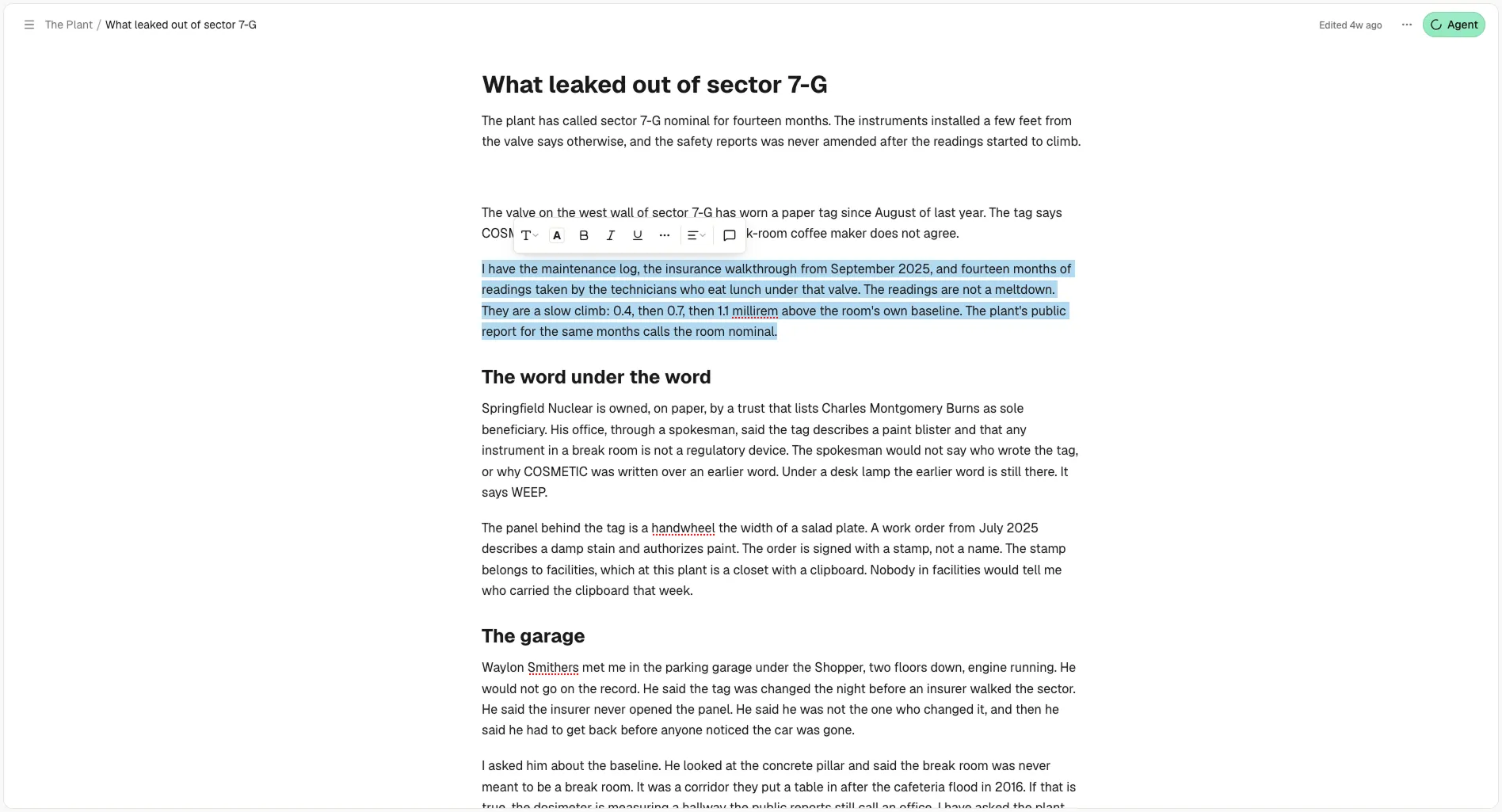
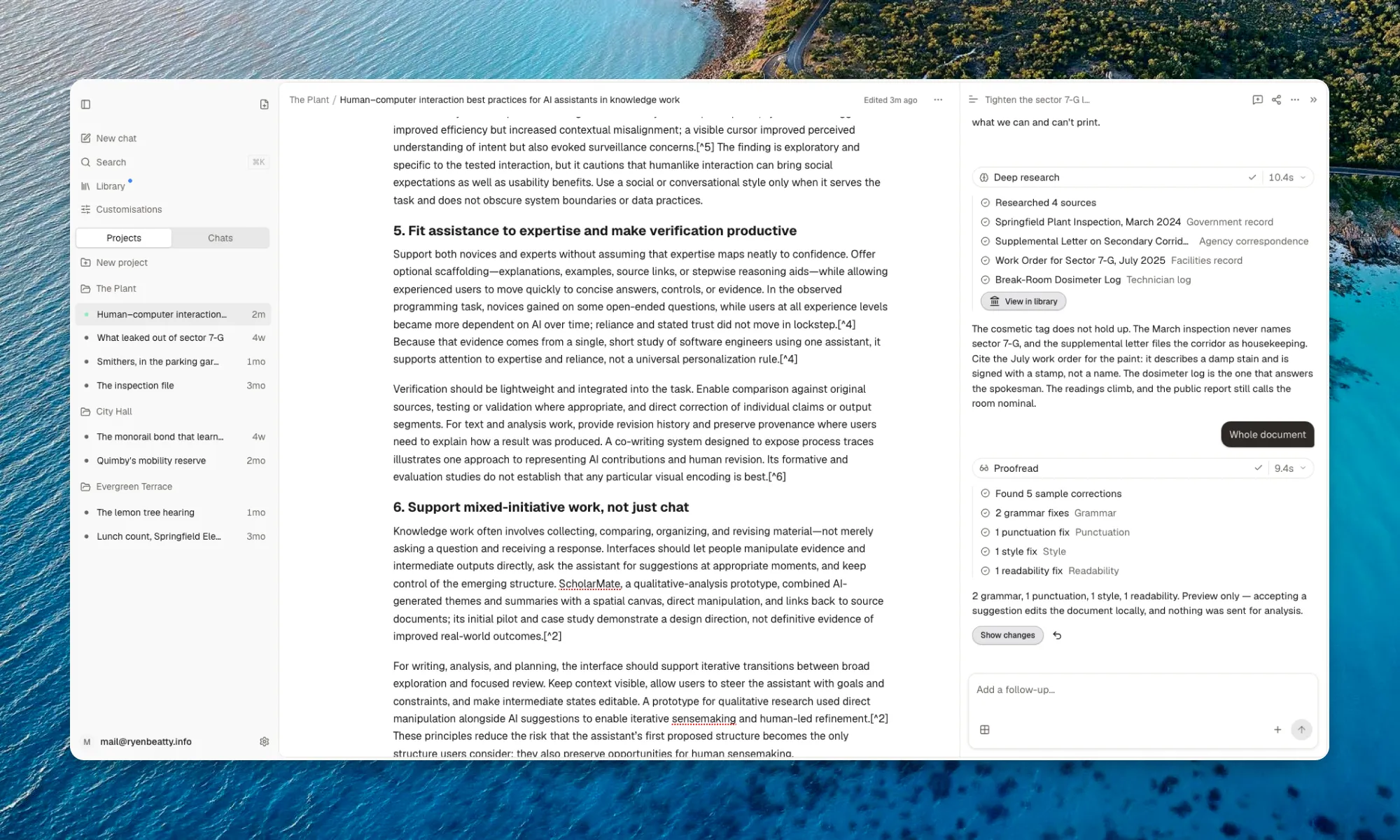
The writing surface was kept intentionally minimal, with chat and additional features pushed to the edges.
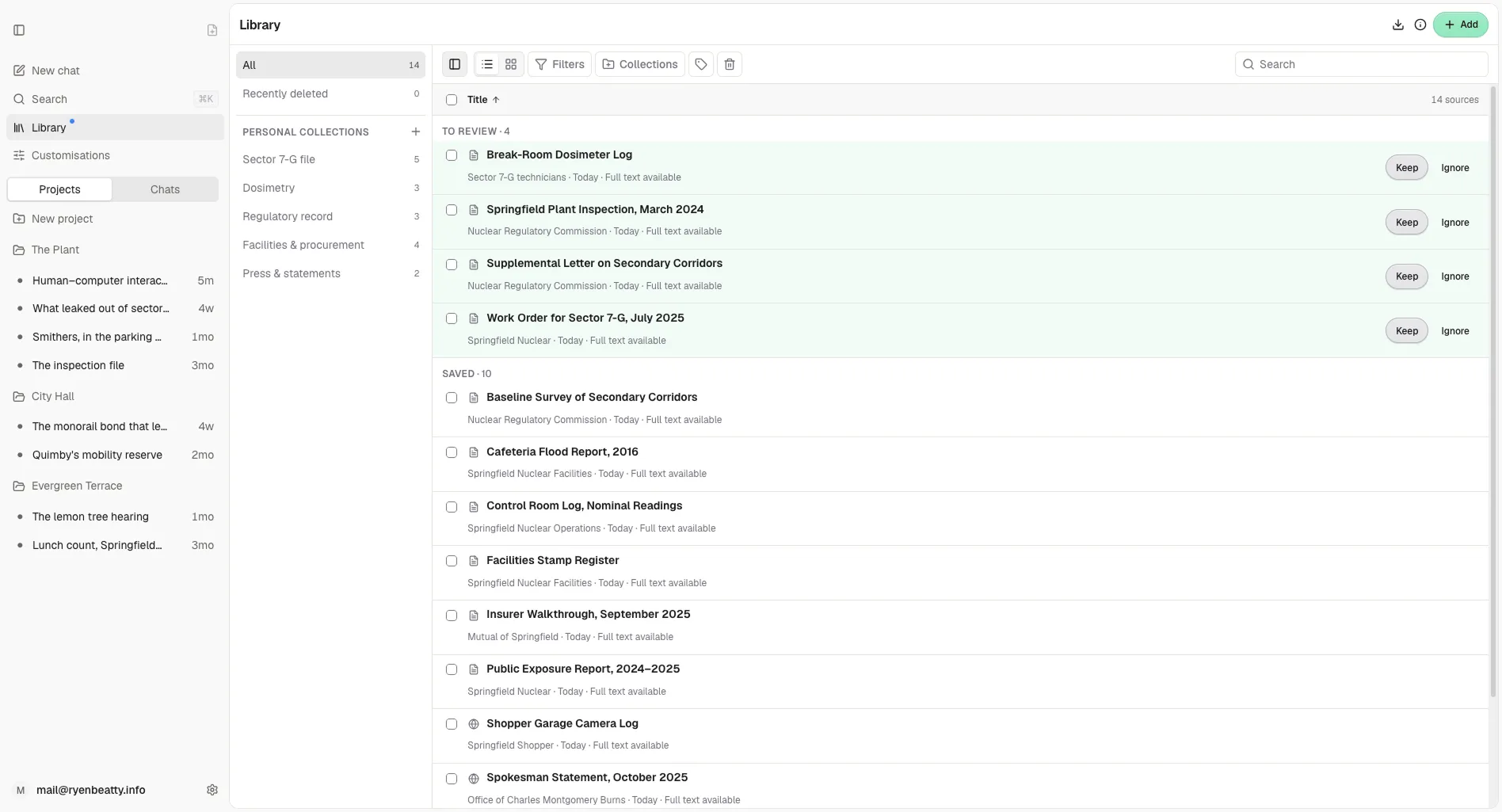
Research and documents were considered as primary within the tool, and a dedicated library space allows organisation of documents saved during deep research.
The deep research tool is triggered via a unified command palette, which also supports additional proofreading tools. Any sourced research can first be reviewed before committing it to your library.
The split view enables side-by-side document comparison.
Suggestions are auto-applied, but easily reversible - control remains with the writer.
Projects, documents and chats are centralised in a beautiful sidebar.
This project was completed over the course of 4 months on a team of 3 (myself, one backend engineer, one ML engineer).

Otis
Helping working musicians get from A to B.
Otis is a travel booking assistant designed to allow booking agencies to buy travel for DJs. I joined the founding team to prototype and create a new platform from scratch.
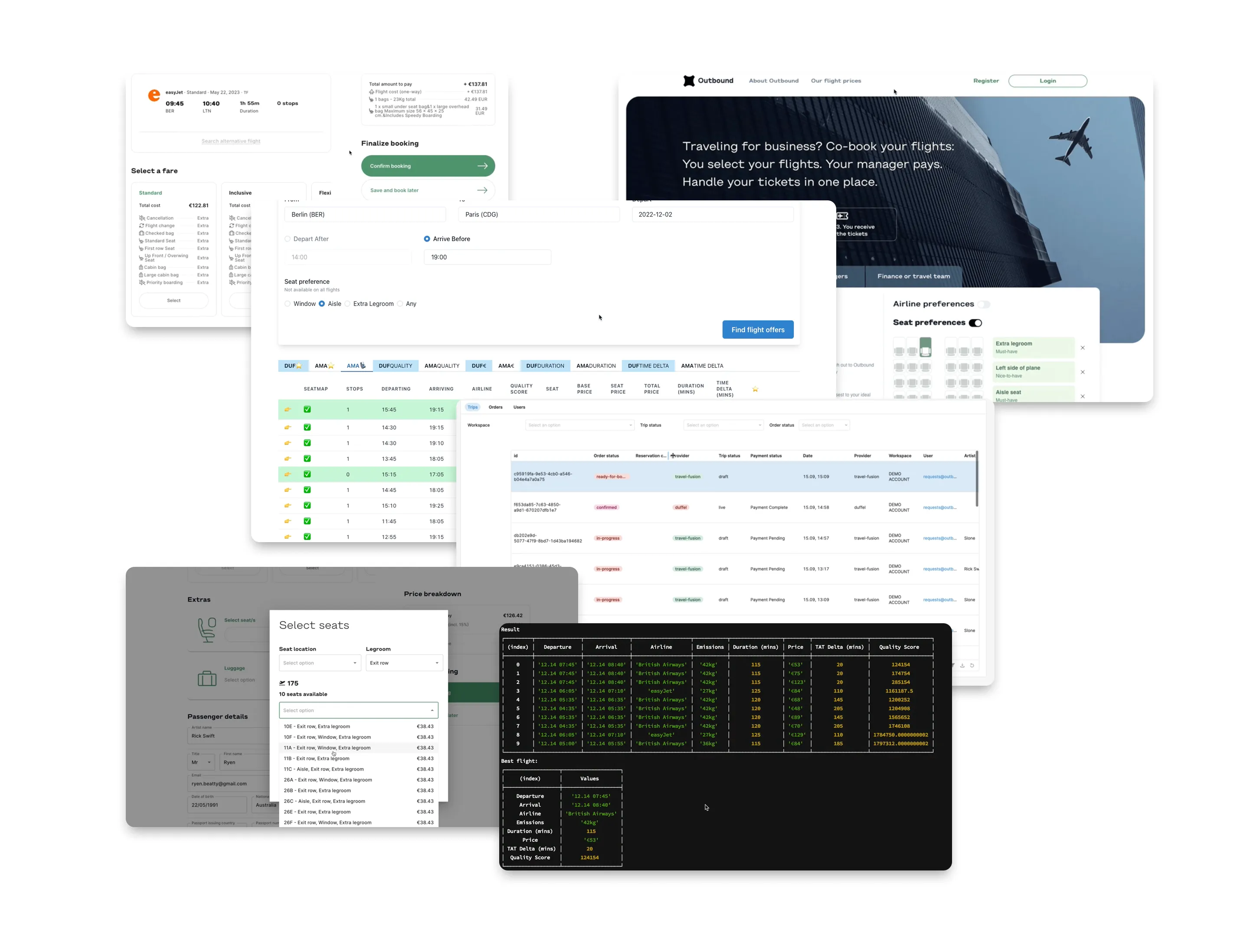
I evaluated all major flight provider integrations, eventually building out a multi-provider solution that allowed seamless plug-and-play integration with new providers.
The tool replaced email threads, spreadsheets and manual bookings with gig-aware flight recommendations, offer approval, payment requests and automated ticketing.
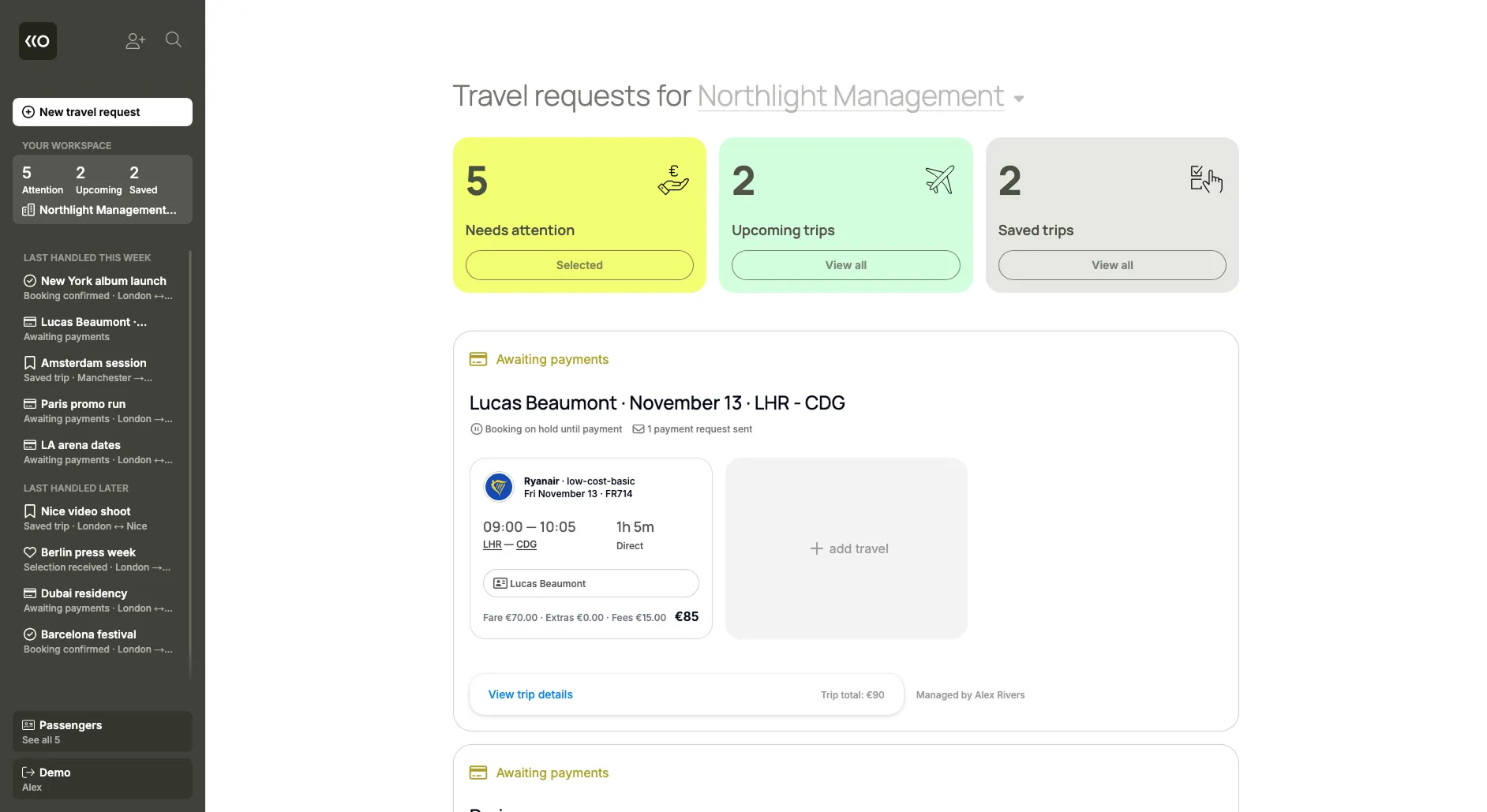
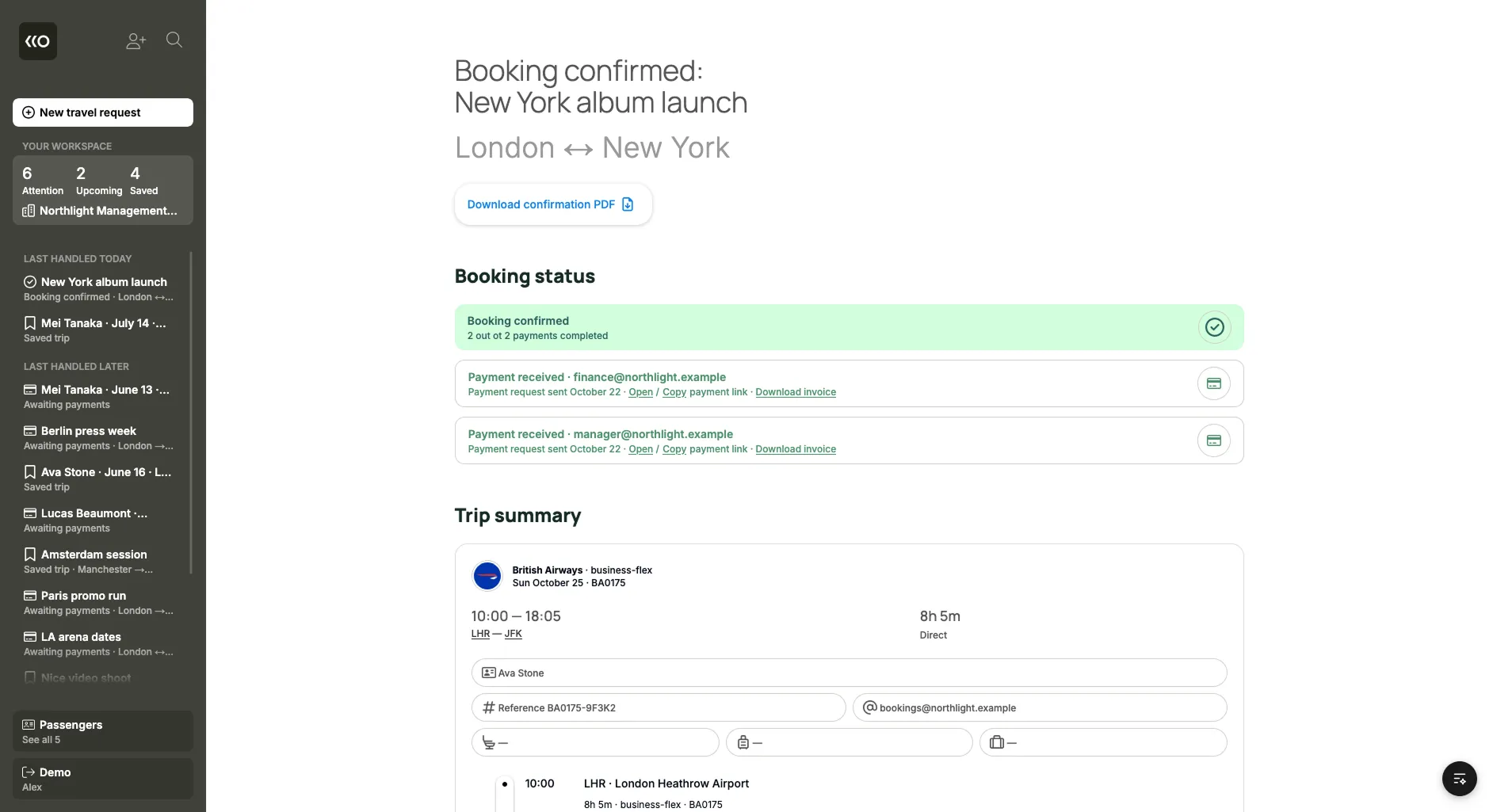
I worked as the sole engineer for the first 12 months, followed by 4 months working with the CTO.
ResearchGate Design Tools
End-to-end toolchain for product designers.
From '17-'20 I built a suite of custom tools to enable our designers, copywriters and engineers to work in close collaboration, centered around our design system, Nova.
To my knowledge ours was one of the first design systems to be integrated into the actual tools designers were using. We achieved this through a plugin that let designers write JSX to define components.
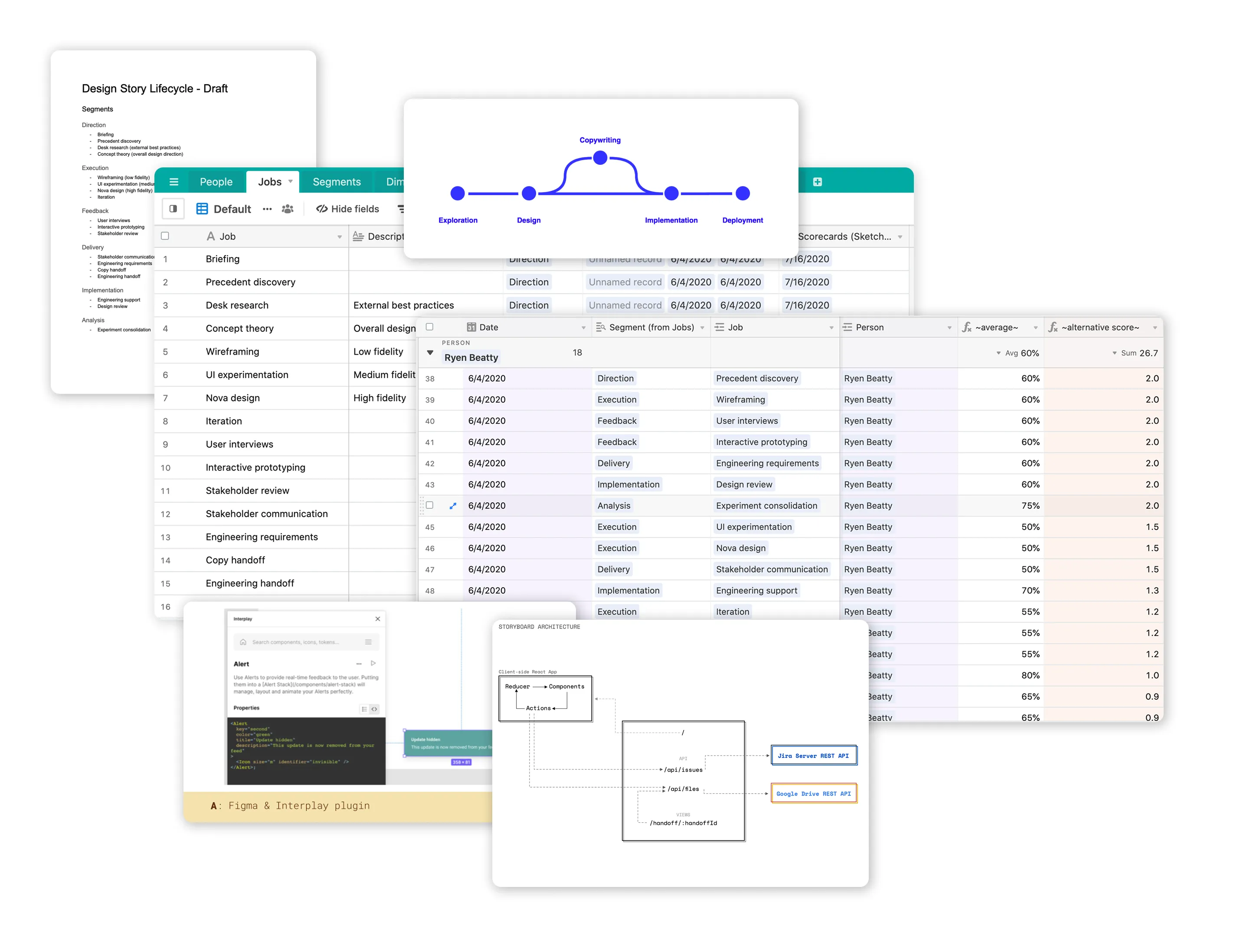
To ensure we made the correct interventions, the product development process was closely mapped before deciding what tooling to focus on.
A design handoff tool was created that spoke the language of our design system. This was passed to engineers who could then copy and paste the JSX.
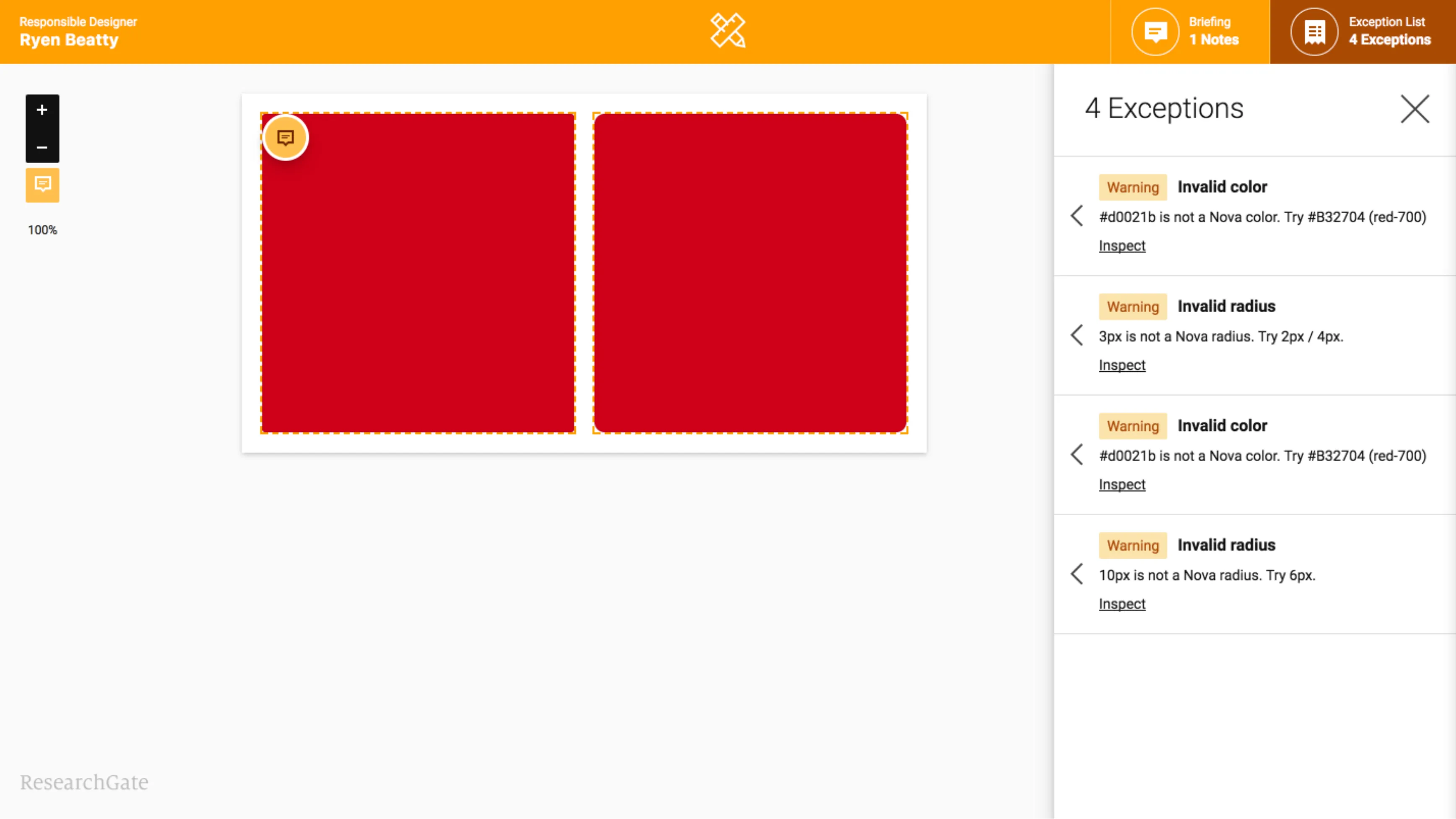
I also built a design linting extension, providing designers a feedback loop to validate their work before handing it over.
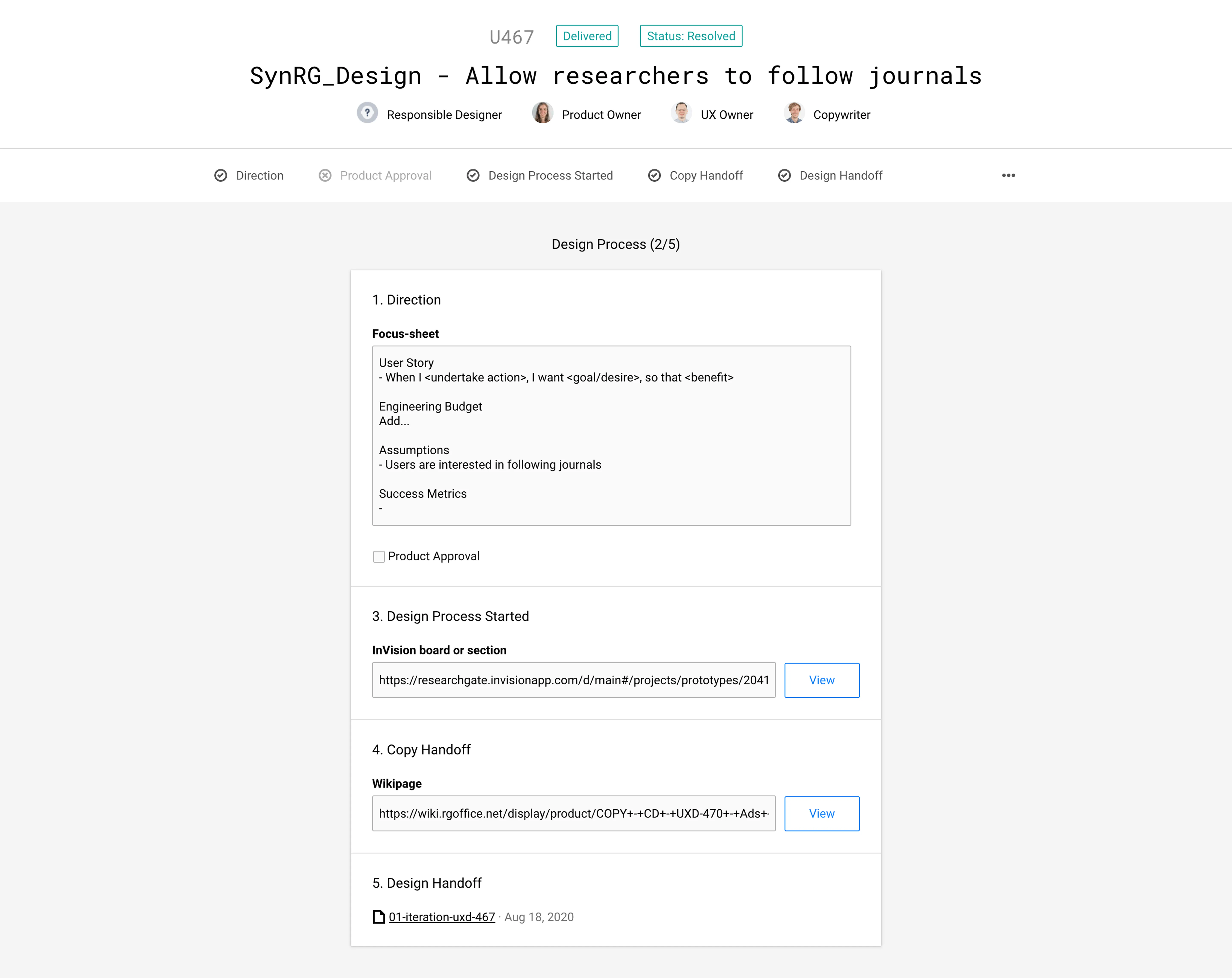
On top of this, I also built a custom frontend for Jira that pulled in design handoffs from Google Drive, giving our product teams a one stop shop when building out features.
Nova Design System
Serving 1M scientists weekly.
At ResearchGate, I was part of Team Voyager, working on our design system and it's rollout across the product which served ~1M users every week.
Our documentation was defined entirely within the codebase, and provided designers, PMs and engineers with a playground to experiment with components.
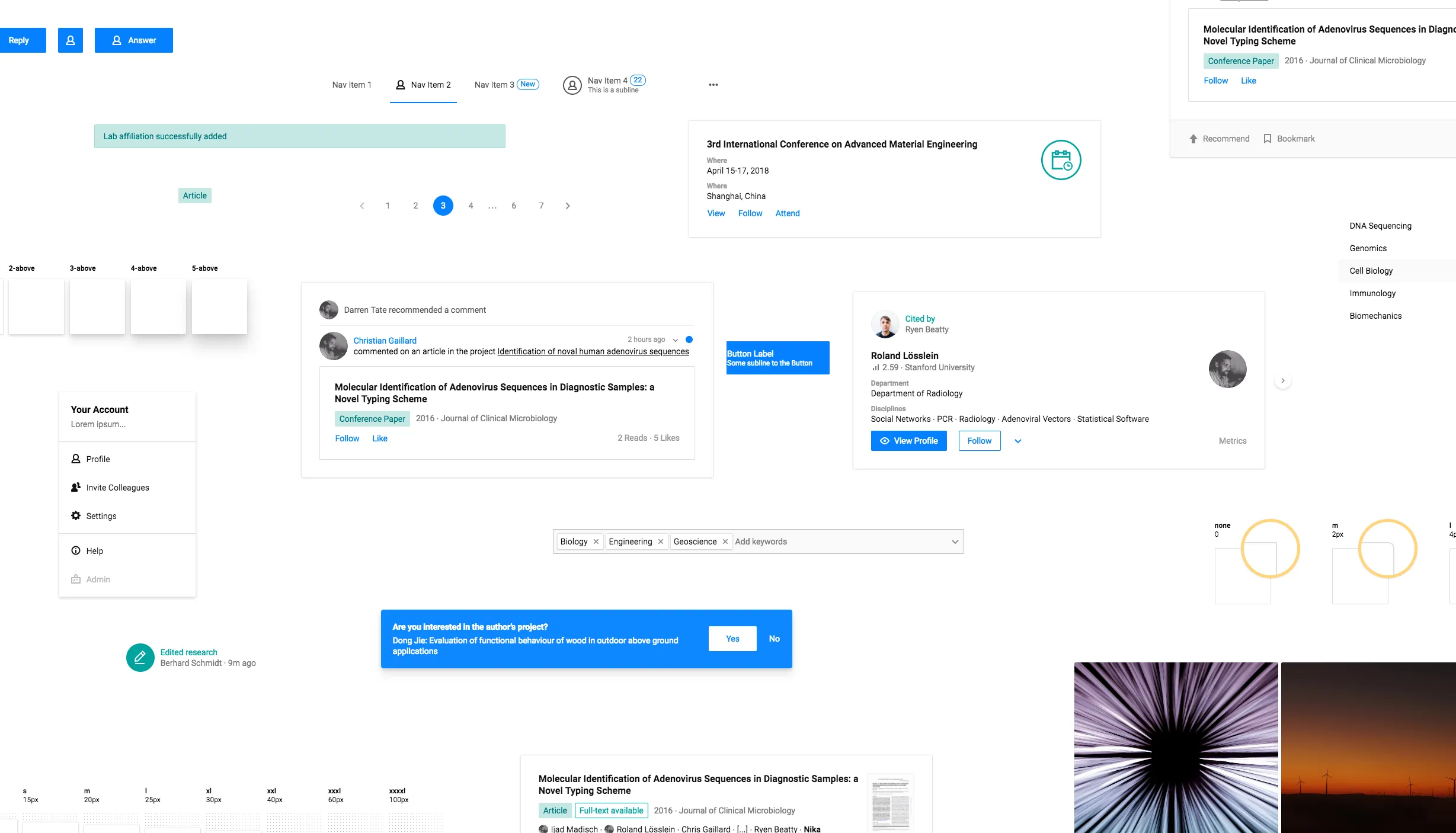
Nova was extremely well adopted across the organisation, and we measured very high rates of component usage across the codebase.
I worked on many interaction details across Nova, as well as in the core product.